
Dubai’s Real Estate Consolidation Has Begun. We’ve Seen This Before.

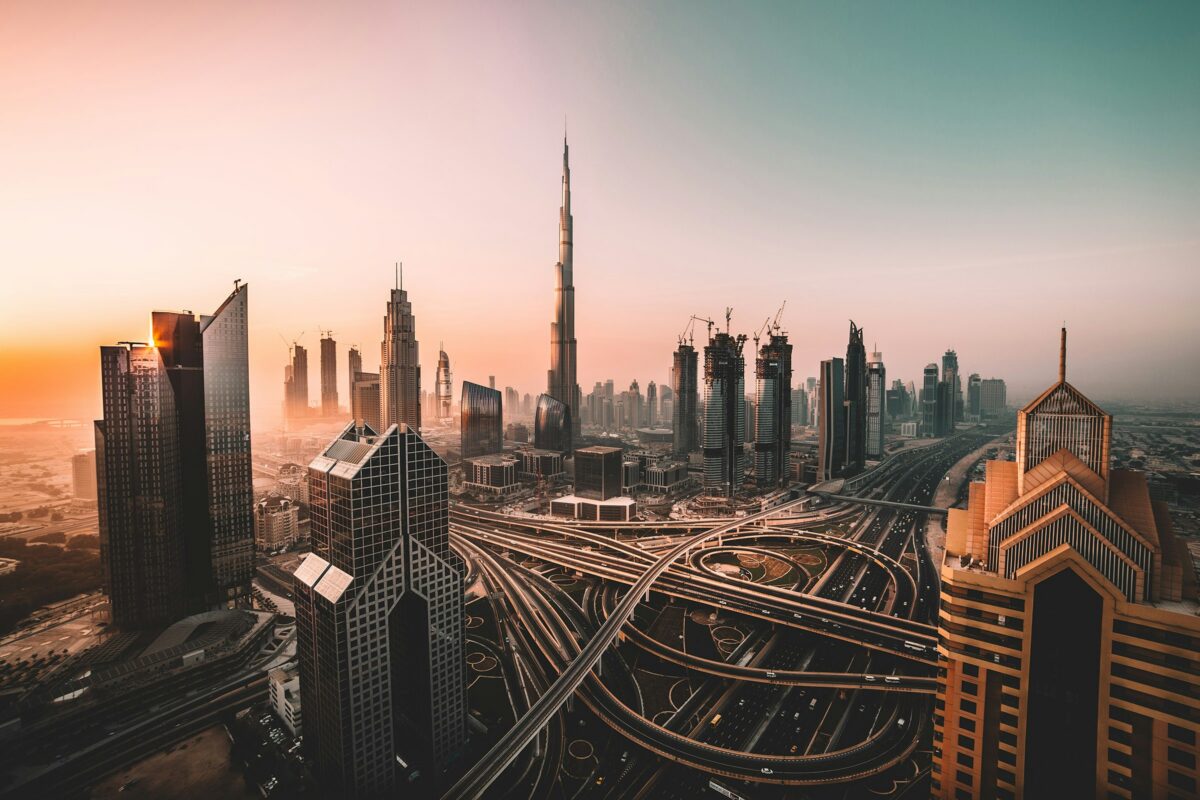
The headlines this week confirmed what those inside Dubai’s property market have been watching develop for several months. Arabian Business reported exclusively that up to 30% of the emirate’s active real estate agencies could cease operating within the next five to six months, as a market correction exposes the structural weaknesses of businesses built during an extended bull run.
For many agency owners, this will feel like a crisis. We understand that. We’ve been running real estate businesses since before the global financial crisis, and we were operating through Covid. We’ve sat in the same position, watched the same headlines, and come out the other side with a clear view of what market consolidations actually produce. The short answer is that they’re good. Not comfortable, but good.
How the overcrowding happened
Dubai’s property market ran exceptionally well for the better part of six years. Transaction volumes climbed, off-plan launches sold within hours, and prices in key communities appreciated at a pace that made the sector appear almost frictionless. In those conditions, entry barriers are effectively zero. Anyone with the minimum qualifications and a degree of hustle could generate income. And many did.
The result was a broker density that, by any global standard, is extraordinary. Figures cited this week put Dubai at close to 1,000 licensed brokers per 100,000 residents. London operates at around 176. Dubai has been running at roughly five times the broker density of a comparable global city. That is not a sign of market depth. It is a sign of a market where competitive pressures simply weren’t functioning, because conditions were so favourable that underperformers could survive alongside specialists without clients noticing the difference.
Why we’ve seen this before
The global financial crisis hit Dubai’s property market harder than almost any other city in the world. Values in some communities fell by 50% or more. The agencies that disappeared weren’t the ones that had been doing things properly. They were the ones running on developer commissions, short-term listings, and a client base with no loyalty because the relationship had never been built.
Covid produced a different kind of shock, sudden rather than sustained, but the effect on the brokerage market was structurally similar. Agencies without genuine infrastructure, trained teams, and retained clients found themselves with nothing to fall back on. Those with real businesses, built on repeat relationships and professional standards, navigated it.
Both of those periods reshaped the market. Both left it in better condition than they found it.
What consolidation actually produces
The correction underway now is not a crash. Transaction volumes remain significant and off-plan demand, while moderated, continues. But the secondary market is under real pressure and buyers are more selective than at any point in the last five years. For agencies built on volume, this environment is existential. Fixed costs don’t flex as quickly as revenue does, and clients who once transacted with whoever called them first are now asking for qualified opinion rather than availability.
What replaces the agencies that don’t survive is what matters. Fewer firms competing for the same clients means the ones that remain have a stronger incentive to differentiate on quality. Better trained brokers with genuine market experience across cycles will account for a larger share of the advice being given. Clients who wanted proper counsel all along but struggled to find it amid the noise of a saturated market will find it considerably easier when the field has narrowed.
This is precisely what happened after the global financial crisis and after Covid. The market that emerged from each of those periods was more professional, more trustworthy, and better equipped to serve clients properly than the one that preceded them.
What this means for buyers and sellers right now
If you are considering a transaction in the current market, the consolidation is, counterintuitively, a reason for measured confidence rather than hesitation. The brokers still operating and building their businesses in these conditions are doing so because they have the foundations to sustain it. The advice you receive from an experienced operator who has navigated multiple cycles is categorically different from what was available when the market was crowded with agents who had only ever worked in a rising market.
The questions that have always separated serious operators from opportunists are easier to ask now, and easier to answer honestly. Who has transacted in this community across different conditions? Who can give you a view of value rather than a pitch dressed as analysis? Who has the client history and market depth to advise rather than just sell?
A consolidating market doesn’t make those questions less important. It just makes the answers more reliable.
Excelsior Real Estate (XLCR) is a boutique Dubai property firm specialising in luxury and off-plan residential property. Nick Grassick and Lyndsey Redstone have operated real estate businesses across multiple market cycles, including the global financial crisis and the Covid pandemic, advising a private client base on acquisitions, disposals, and market positioning across Dubai’s primary and secondary markets.